

About J. A. Gray
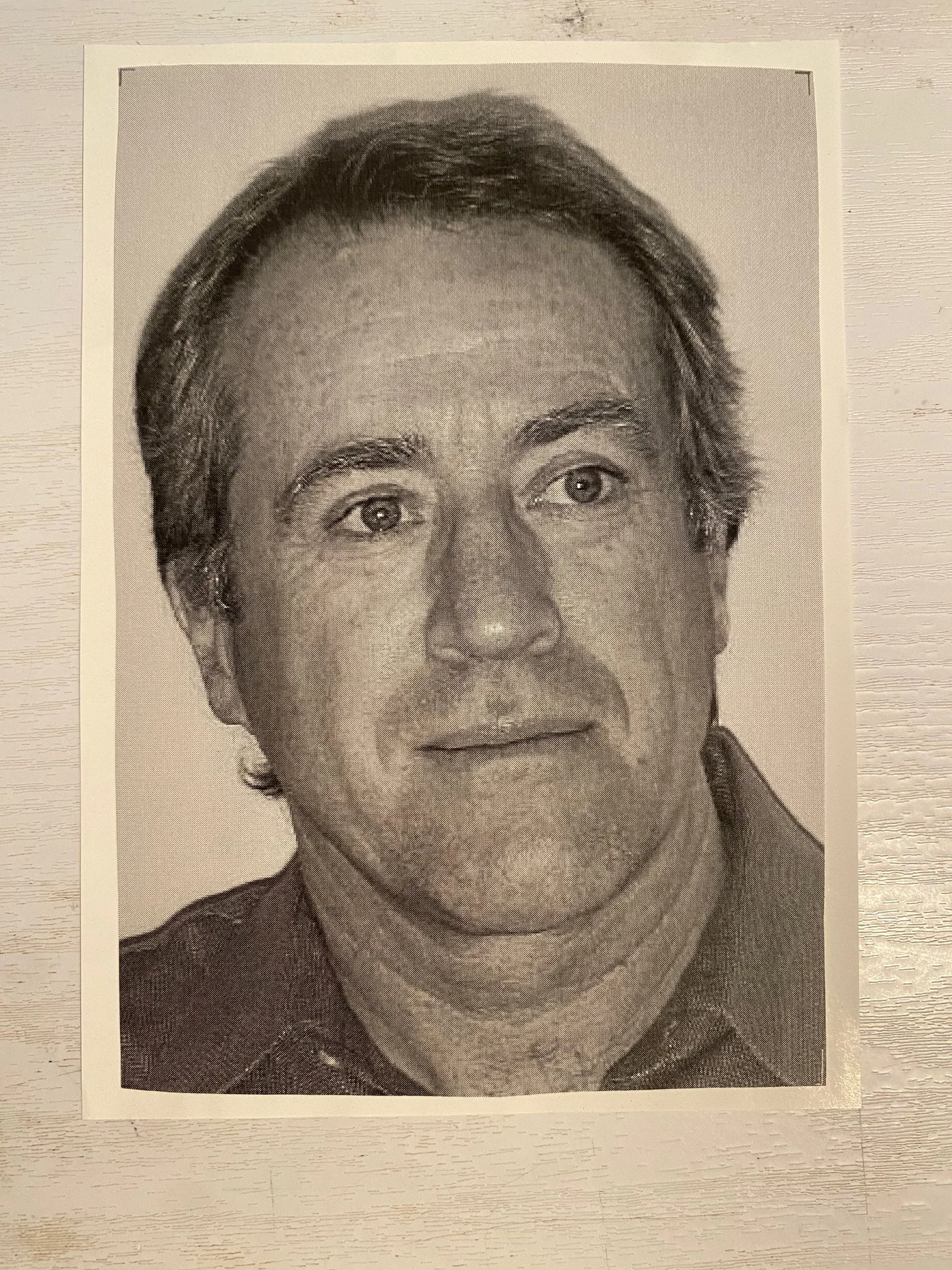
John Augustine Gray Junior was born in Berkeley, California. He was educated by Catholic sisters (grammar school), Catholic brothers (high school), and various professors at the University of California, from which he graduated with a bachelor’s degree in Ancient Greek and Latin.
He has been an editor at several magazines, most notably First Things (New York) and New Oxford Review (Berkeley). He has also been a communications director at educational and pastoral institutions such as De La Salle Institute (Napa), De La Salle High School (Concord), Saint Mary’s College of California, and the Roman Catholic Archdiocese of San Francisco.
Today he is a much-sought-after freelance copy editor. Publishers trust him—and better yet, publishers pay him—to bring to the peak of perfection manuscripts of all kinds. His skills are a combination of nature and nurture; and no robotic AI has yet replaced his sparkling NI.
Mr. Prynne is his first novel. Its publisher is Wiseblood Books, a small but bold press in Wisconsin specializing in new literature that “finds redemption in uncanny places and people, articulates faith and doubt in their incarnate complexity, … and renders well this world's sufferings without forfeiting hope.”
In the long history of American fiction, “Prynne” ranks among the most recognizable names in our most cherished stories. Prynne is as familiar to the American ear as Ichabod and Rip Van Winkle, Tom and Huck (and Jim!), Ishmael and Bartleby, Gatsby and Holden and Atticus. And yet, since its arrival in our literature in 1850, the name Prynne has been used by only one person: a beautiful young wife and mother who must wear a punitive red letter “A” (for Adultery) pinned to her bosom.
At long last, the eponymous novel Mr. Prynne has arrived and is ready to tell us: Who, really, is the man who gave Hester that surname when they exchanged their wedding vows in olde England? And what happens when this man, after a near-fatal shipwreck and a long, hard recovery, walks into the little bayside town called Boston, and finds there the wife who has preceded him—and the baby daughter who is the result of her adultery?